How Do Electric Cars Work?
Electric cars (EVs) are transforming the way we think about transportation. Instead of relying on gasoline engines, they use electric motors powered by rechargeable batteries. This shift not only reduces emissions but also provides a smoother, quieter ride. Let’s explore how electric cars operate and why they are becoming a popular choice worldwide.

1. The Core Components
An electric car consists of several key components: the electric motor, battery pack, power electronics, and charging system.
The electric motor converts electrical energy into mechanical power to turn the wheels. The battery pack stores the energy required for the motor to operate.
Power electronics manage the flow of electricity between the motor, battery, and other systems, while the charging system allows the battery to be replenished from an external power source.


2. How the Power Flow Works
When you press the accelerator in an electric car, the controller draws electricity from the battery and delivers it to the motor.
The motor then spins the wheels, propelling the car forward. Regenerative braking helps recharge the battery by converting some of the car’s kinetic energy back into electricity during braking.
This process is far more energy-efficient than internal combustion engines, which waste significant energy as heat.
3. Charging an Electric Car
Charging is simple—just plug the car into a compatible charger. Charging times vary depending on the charger type: Level 1 (standard household outlet), Level 2 (home or public station), and DC fast charging (public stations).
Our range of solar panels can also be used to supplement charging for more sustainable energy use.

4. Benefits of Electric Cars
- ✅ Zero tailpipe emissions
- ✅ Lower running costs
- ✅ Quiet and smooth driving experience
- ✅ High energy efficiency
- ✅ Compatible with renewable energy sources
5. Electric Vehicles in Daily Life
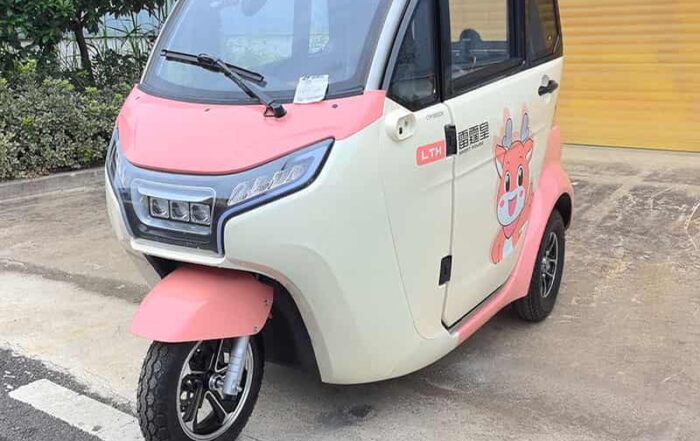
Electric cars are suitable for both urban and rural settings. Whether you need a compact electric scooter for short commutes or a full enclosed electric trike for all-weather travel, there’s a solution to fit your needs.


Conclusion
Electric cars are more than just a technological trend—they represent a shift toward sustainable, efficient, and convenient transportation.
Understanding how they work can help you make an informed decision when choosing your next vehicle.
Explore our range of electric mobility solutions and start your journey toward a greener future.