Lithium vs Lead Acid Battery: Which One is Right for You?
Choosing between lithium and lead-acid batteries can feel overwhelming, especially if you’re setting up a solar system, maintaining an electric vehicle, or simply trying to reduce battery replacement costs. This guide will walk you through a detailed comparison to help you make an informed decision.

🔋 Basic Overview
| Aspect | Lithium-Ion Battery | Lead-Acid Battery |
|---|---|---|
| Energy Density | 150–200 Wh/kg | 30–50 Wh/kg |
| Cycle Life | 2000–5000 cycles | 300–600 cycles |
| Depth of Discharge | Up to 85–90% | 50% recommended |
| Self-Discharge Rate | ~3% per month | ~5–15% per month |
| Maintenance | None | Regular watering & cleaning |
| Cost (Per Wh) | Higher upfront | Lower upfront |
🔍 Pros and Cons
✅ Lithium Battery Pros
- Longer lifespan (up to 10 years or more)
- Lightweight and compact
- High charging efficiency (~95%)
- Low maintenance
⚠️ Lithium Battery Cons
- Higher upfront cost
- Sensitive to high temperatures
- Requires a BMS (Battery Management System)
✅ Lead-Acid Battery Pros
- Much cheaper initially
- Widely available and recyclable
- Simple to operate
⚠️ Lead-Acid Battery Cons
- Bulky and heavy
- Shorter lifespan
- Requires frequent maintenance

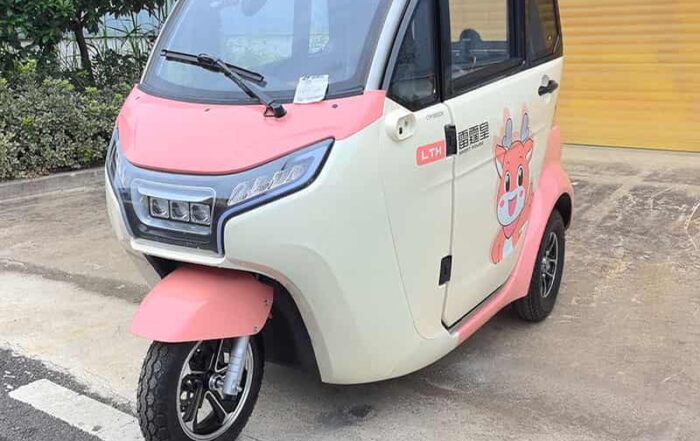
🏠 Find a scooter that can use both lead acid and lithium battery from Coolecar

🏠 Which Battery Should You Choose?
If you’re setting up a solar power system or need deep-cycle batteries for your RV, lithium-ion is the long-term winner in performance and lifespan. However, if you’re on a tight budget and don’t mind some maintenance, lead-acid batteries still serve well in backup or stationary systems.
For a personalized estimate on how long your battery will last, use our Battery Cycle Life Calculator.
💡 Battery life calculator
Testing your battery lifetime online

Online Battery Health Checking
💡 Final Thoughts
Ultimately, the choice comes down to your application, budget, and how much you value long-term reliability. With the global shift toward clean energy and EVs, lithium is becoming the standard, but lead-acid still holds its ground in the right scenarios.
—
📚 References
- Battery University: https://batteryuniversity.com
- EnergySage Battery Guide
- EVBatterySchool Internal Testing and Comparison https://evbatteryschool.com/
Read more about the battery