China’s Electric Scooters Are Driving a Sodium-Ion Battery Revolution
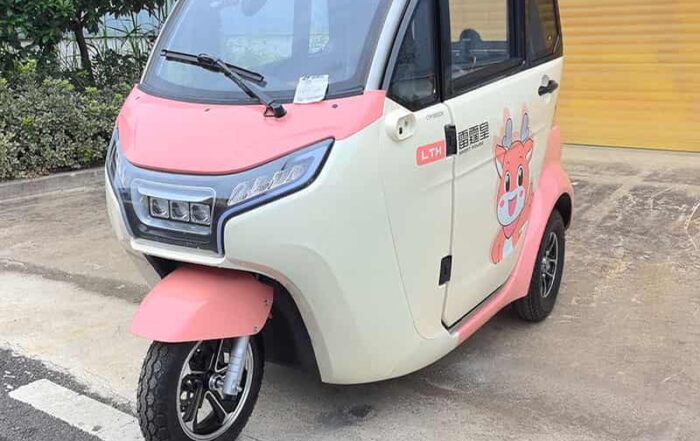
China’s booming electric scooter market is accelerating the development and adoption of sodium-ion (or “salt”) batteries. With scooters dominating urban transportation, they have become the ideal testing ground for this next-generation battery technology.

🔋 Why Sodium-Ion Batteries?
-
Abundant and Low-Cost Materials
Sodium is widely available and can be extracted from seawater or salt mines. It’s about 400 times more abundant than lithium, making it significantly cheaper. -
Greater Thermal Stability and Safety
Sodium-ion batteries are less prone to overheating or catching fire, offering improved safety over traditional lithium-ion batteries. -
High Performance in Cold Weather
Certain sodium-ion cells retain more than 92% of their capacity even at -20°C, making them suitable for diverse climates. -
Fast Charging and Battery Swapping
Leading Chinese scooter brands like Yadea have developed sodium-powered models that can charge to 80% in just 15 minutes, and support battery swapping in as little as 30 seconds.
🛴 Why Electric Scooters?
-
Massive Market Scale:
In 2023, over 55 million electric scooters were sold in China—six times the number of electric cars. -
Perfect Use Case:
Scooters usually operate in short-range urban environments, where lower battery density is acceptable and cost is a major factor. -
Expanding Infrastructure:
China plans to build over 1,000 fast-charging and 20,000 battery-swap stations by 2025, with a target of 50,000 swap stations by 2027.

🚀 Tech Growth & Industry Expansion
-
Policy and Investment Support:
Chinese sodium battery companies are receiving substantial investments, ranging from tens to hundreds of millions of RMB. -
Broader Applications:
Beyond scooters, sodium-ion batteries are being tested in data centers, telecom infrastructure, mining vehicles, and construction machinery. -
International Ambitions:
Companies like CATL have launched sodium-ion sub-brands (e.g., Naxtra) and aim for mass production by 2025. BYD and other giants are also entering the field.
⚠️ Current Limitations
-
Lower Energy Density:
Sodium-ion batteries currently store about 30% less energy than lithium equivalents, limiting their use in long-range applications. -
Production Not Yet Cost-Effective at Scale:
While raw materials are cheaper, the cost of large-scale manufacturing is still relatively high due to limited industrial maturity.
🌍 Looking Ahead
By leveraging scooters as a “low-risk testing environment,” China is accelerating the domestic rollout of sodium-ion battery technology. Analysts expect around 15% of China’s electric scooters to be powered by sodium batteries by 2030. At the same time, the technology’s scalability hints at its potential role in global energy storage and decarbonization strategies.

📚 Further Reading (Original Sources):
Read More Post Here
Coolecar HOME Page

Online Battery Health Checking